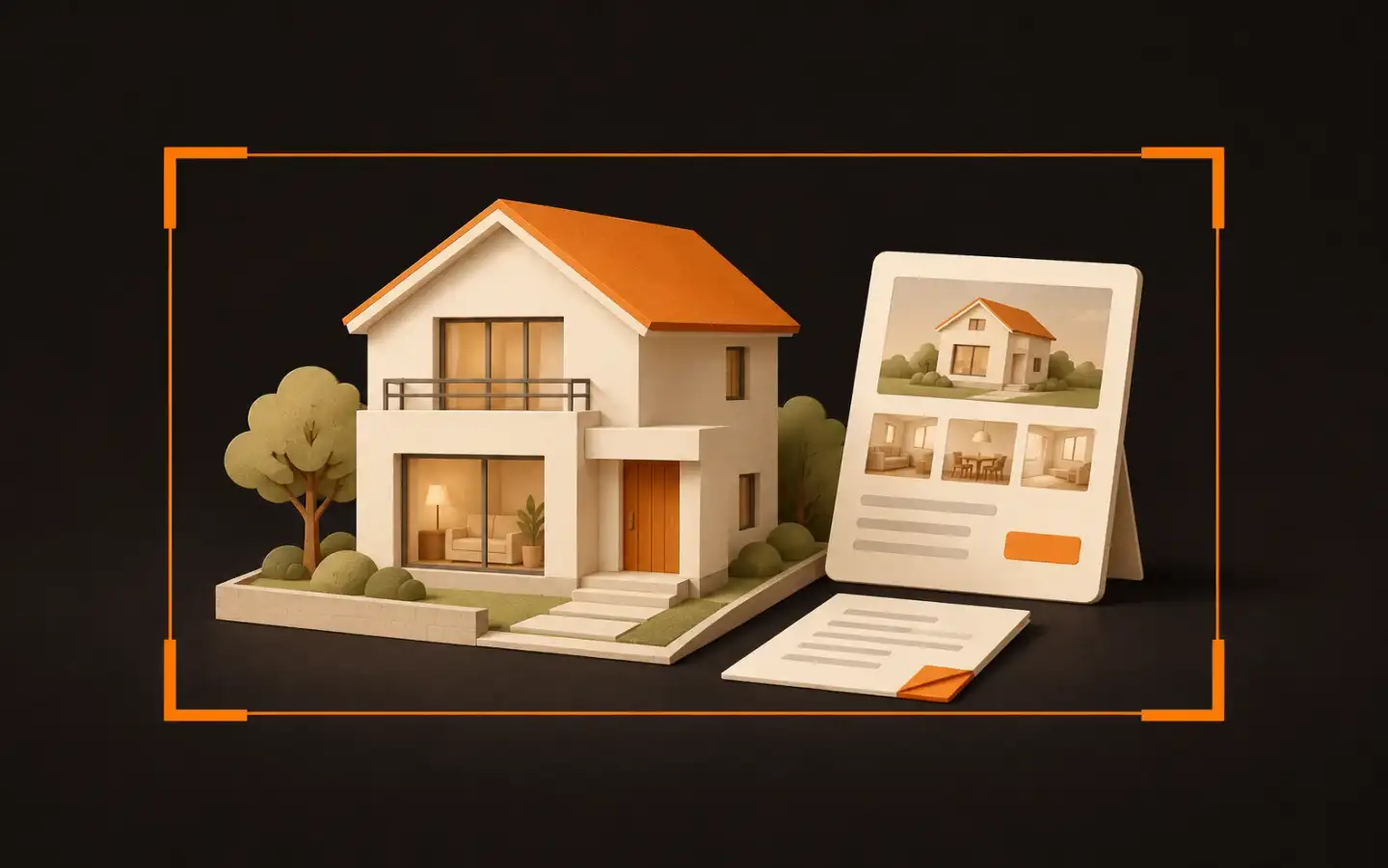
A listing page is not just a card with a photo and a price. It is where the buyer’s questions get answered: is this information current, can I reach this office, what will I be going to see? Trust comes not from long promises but from consistent information, a real agent and an up-to-date status.
Official obligations can change, so this article focuses on publishing practice rather than legal advice. Check the relevant official sources separately for your license, the property owner’s authorization and current regulations.
The same basic information set for every listing
The title should let visitors understand at a glance which property they are looking at: location, type and one distinguishing feature are enough. After that, the following should appear consistently:
- Listing type and current status
- Price and currency
- Square meters, with a clear gross/net distinction
- Decision details such as rooms, bathrooms, floor and heating
- A map or area that respects the sensitivity of the location
- Photo gallery and description
- The responsible agent’s name and a direct way to contact them
Instead of filling in a field you are unsure about by guessing, leave it empty or verify it. Contradictory information about the same property on different pages loses trust faster than a design flaw.
Photos, description and map should tell the same story
The cover photo should be well lit, real and current; the order of the gallery should walk the visitor through the home. The description should add what the photos do not show: transport, occupancy, orientation, complex amenities or special notes about the sale.
The map does not have to reveal the full address publicly. If the location is sensitive, give the neighborhood or approximate area and share the details at the appointment. What matters is that the map does not contradict the text.
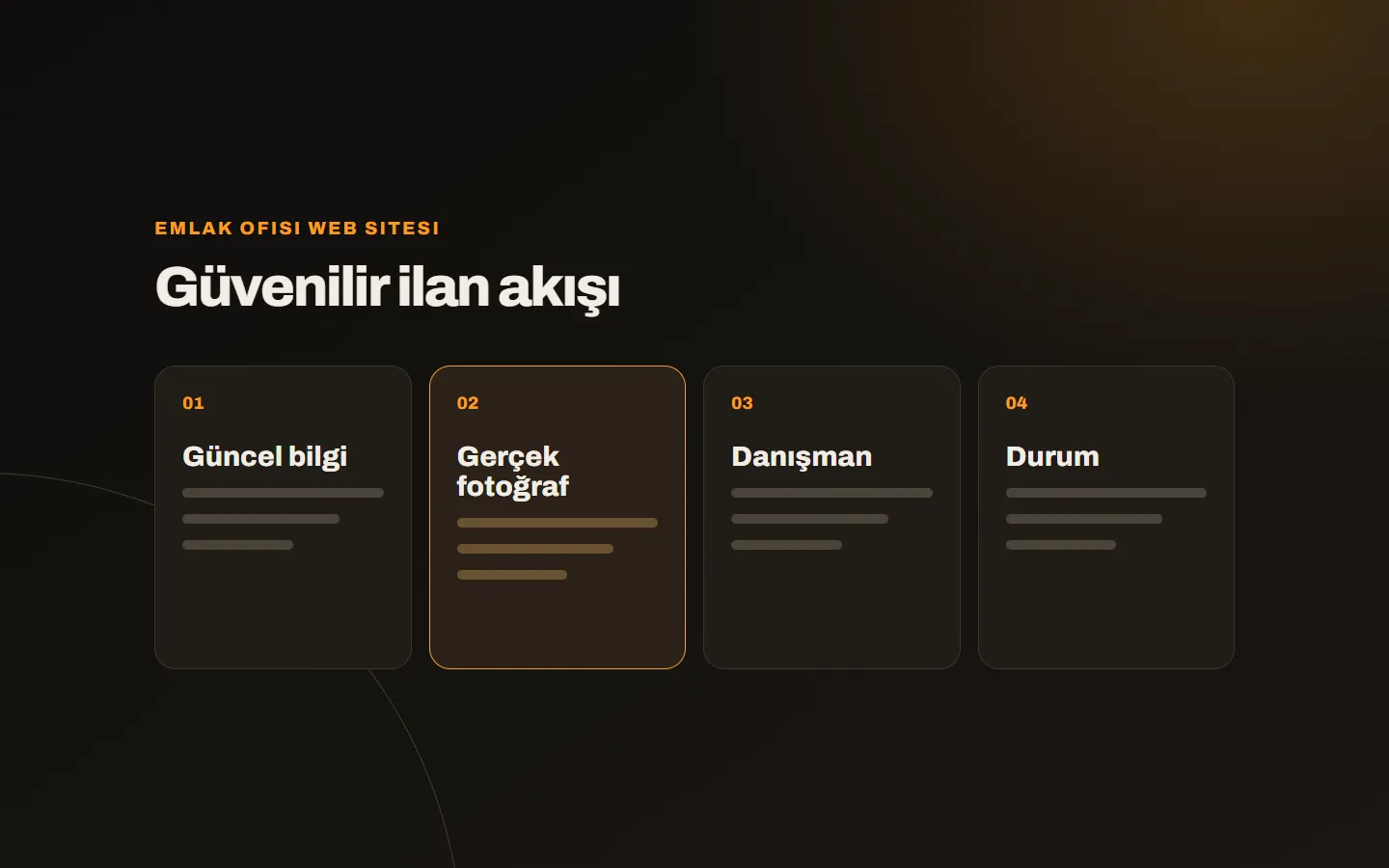
Plan for sold listings instead of deleting them
Removing a sold listing at once can send someone who finds that link on social media or in search to an empty page. A better approach:
- Clearly mark the listing as “sold” or “rented”.
- Point to similar active listings.
- If it must be removed permanently, redirect to the closest related list.
- Do not leave the same listing open as if it were current.
This avoids misleading visitors and reduces broken links piling up as the site grows. We also covered the technical side in what a real estate website should look like.
Do not leave inquiries orphaned
A listing page should show phone, WhatsApp and form options, each connected to the right listing and the right agent. When a visitor leaves a number, “which listing was this for?” should not have to be researched afterward. In Kariha’s software, forms and “call me back” requests are collected in an inbox, and the agent and listing link make follow-up easier.
A trustworthy listing routine strengthens both your visibility on portals and your brand on your own domain. To review your office’s listing flow together, get in touch; you can see the scope of the system on the real estate software page.